Carshalton Beeches upholstery cleaning Sutton: a practical guide for fresher furniture and a healthier home
If your sofa is looking a little tired, your dining chairs have picked up everyday grime, or that favourite armchair has lost its clean, inviting feel, Carshalton Beeches upholstery cleaning Sutton can make a real difference. It is one of those services people put off until stains become obvious or odours start to linger - then suddenly it feels urgent. Truth be told, regular upholstery cleaning is one of the simplest ways to protect your furniture, keep your rooms feeling fresh, and avoid the slow build-up of dust, crumbs, pet hair, and invisible wear.
In this guide, you will find a clear explanation of how upholstery cleaning works, what to expect, who needs it most, and how to get better results without risking damage to delicate fabrics. We will also cover common mistakes, best practices, and the practical details that matter when you are choosing a local cleaning service in Sutton. If you are comparing services, you may also find it useful to look at upholstery cleaning in Sutton, alongside related services such as carpet cleaning in Sutton and deep cleaning in Sutton.
Table of Contents
- Why Carshalton Beeches upholstery cleaning Sutton matters
- How Carshalton Beeches upholstery cleaning Sutton works
- Key benefits and practical advantages
- Who this is for and when it makes sense
- Step-by-step guidance
- Expert tips for better results
- Common mistakes to avoid
- Tools, resources and recommendations
- Law, compliance, standards, or best practice
- Options, methods, or comparison table
- Case study or real-world example
- Practical checklist
- Conclusion
- Frequently asked questions
Why Carshalton Beeches upholstery cleaning Sutton matters
Upholstery is one of the hardest-working surfaces in a home, and also one of the easiest to overlook. Sofas, cushions, stools, headboards, and dining chairs take constant contact from skin oils, spills, pets, children, outside dust, and everyday friction. Over time, that builds up. You may not notice it at first, because fabric tends to darken and dull gradually. Then one day you sit down and think, "When did this start looking so flat?"
In a place like Carshalton Beeches, where homes can be busy family spaces, guest-ready living rooms, or compact modern flats where furniture gets used every day, upholstery cleaning is not just about appearances. It is also about comfort and upkeep. Clean fabric feels better, smells better, and tends to last longer when it is cleaned correctly. That matters if you have invested in a quality sofa or if you are trying to keep a rented property in good shape between tenancies.
There is also a practical side that often gets missed. Upholstery traps far more than visible dirt. Fine dust settles deep into fibres. Pet hair clings to textured materials. Spilled drinks can leave sticky residue that attracts more dirt. Even just regular use can compact the pile or nap of certain fabrics. A proper clean helps reset all of that, and in many homes it makes the room feel noticeably lighter, almost like you have opened a window on a damp spring morning.
If your home cleaning routine is already fairly solid, upholstery may be the missing piece. Many households pair it with house cleaning in Sutton or broader domestic cleaning in Sutton because it rounds off the job properly rather than just tidying what is visible.
How Carshalton Beeches upholstery cleaning Sutton works
Most upholstery cleaning starts with an inspection. A cleaner will look at the fabric type, the age of the item, the level of soiling, any stains, and whether the furniture has previously been treated with protectors or cleaned before. This first step matters more than people think. The right method for a synthetic sofa may be completely wrong for a wool blend or a delicate natural fabric.
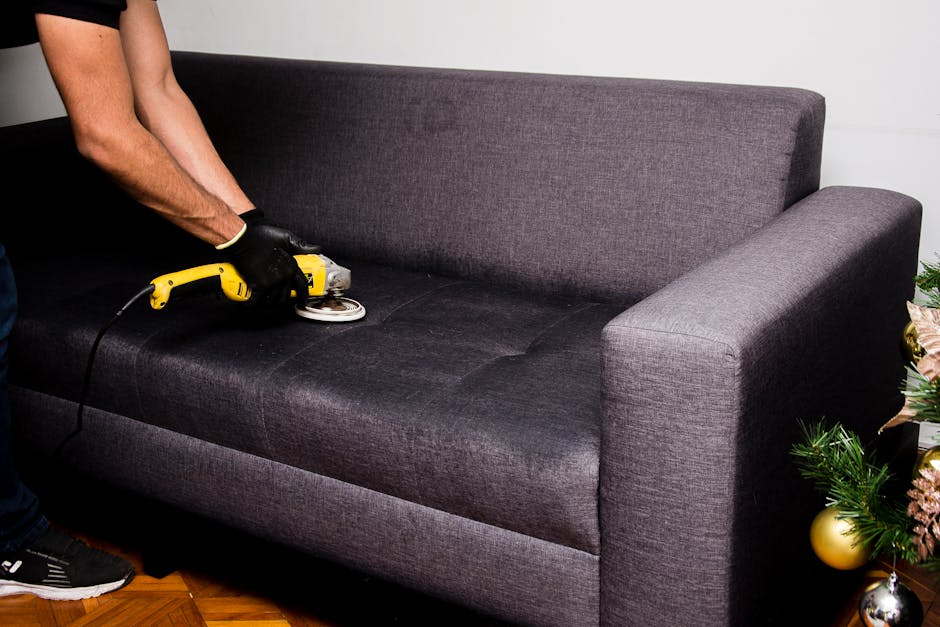
The process usually includes dry soil removal, spot treatment, and then a deeper fabric-safe cleaning method. Depending on the textile and condition, that might mean low-moisture extraction, controlled wet cleaning, or a gentler approach for sensitive materials. A technician should not just spray and hope. That is the sort of shortcut that looks efficient and then causes a watermark or colour run later. Nobody wants that little drama on a Tuesday afternoon.
Here is the basic flow you can expect:
- Inspection and fibre identification - checking the manufacturer's care label and fabric behaviour.
- Dry vacuuming - removing loose dust, grit, crumbs, pet hair, and debris.
- Pre-treatment - applying a fabric-appropriate solution to break down stains and embedded dirt.
- Agitation where needed - gently loosening trapped soil without harming the weave.
- Main clean - using the suitable method for the textile.
- Stain attention - focusing on problem spots if they are still removable.
- Rinse or extract - reducing residue so the fabric dries cleaner and feels softer.
- Drying guidance - explaining airflow, drying time, and what to avoid while it sets.
Different fabrics behave differently, which is why a good service does not treat every chair the same way. Velvet, linen, microfibre, leather-look materials, and woven synthetics all need slightly different handling. The wrong heat, too much water, or over-wetting can create lasting marks. So, yes, technique matters. A lot.
Key benefits and practical advantages
The obvious benefit is that your furniture looks cleaner. But the real value is broader than that. Clean upholstery can make a room feel more cared for, more pleasant to sit in, and less stale. That is especially noticeable in rooms where soft furnishings dominate the look and feel of the space.
Some of the most useful benefits are straightforward:
- Better appearance: the fabric often looks brighter, less patchy, and less tired.
- Improved freshness: odours from food, pets, smoke, or general use are reduced.
- Comfort: a properly cleaned sofa feels more pleasant to use.
- Hygiene support: cleaning helps remove built-up debris that regular vacuuming misses.
- Longer furniture life: removing grit and residue can reduce wear on fibres.
- Better property presentation: useful for lettings, sales, hosting, and everyday pride in the home.
There is also a psychological benefit, and this one is easy to underestimate. A clean sofa changes how a room feels. You sit down, the space feels calmer, and somehow the whole room seems less cluttered. Small thing, maybe. But home is made of small things.
For households that are refreshing their entire property, upholstery cleaning can be part of a wider plan that includes spring cleaning in Sutton or a one-off visit through one-off cleaning Sutton. That combination works well when you want the whole place to feel reset, not just tidied.
Who this is for and when it makes sense
Carshalton Beeches upholstery cleaning Sutton is useful for more people than you might think. Some people book it because of a visible stain. Others because the room has started to smell a bit stale. Others because they are moving, redecorating, or expecting guests and want the furniture to look its best. All fair reasons, by the way.
This service makes particular sense for:
- families with young children and frequent spills
- pet owners dealing with fur, odours, and occasional accidents
- tenants preparing for inspections or the end of a tenancy
- landlords wanting to present furniture properly between occupants
- homeowners with light-coloured or high-use seating
- people who suffer from dust sensitivity and want to reduce build-up
- anyone whose sofa has gone from "cosy" to "a bit grim"
There are also times when the job becomes more urgent. If a drink has been spilled and left to dry, if a pet accident has soaked through, or if you have bought a second-hand chair that needs a reset before it comes into your living room, act sooner rather than later. Stains settle. Smells settle too. The longer you wait, the more limited the options can become.
If you are comparing whether upholstery cleaning should be paired with another service, ask whether the whole room needs attention. A sofa can look much better, but if the surrounding carpets are still dull, the room will only be half refreshed. That is why some people schedule it alongside services overview planning or broader office cleaning in Sutton for workspaces with waiting areas and soft seating.
Step-by-step guidance
If you want the best result from upholstery cleaning, a little preparation helps. You do not need to move half the house or scrub anything yourself. Just make the cleaner's job easier and safer.
- Check the care label first. If the label says the material is water-sensitive or requires specialist handling, that affects the cleaning method.
- Remove loose items. Blankets, scatter cushions, and little decorative pieces should be taken off the furniture.
- Vacuum lightly. A quick vacuum before the appointment can help reduce surface dust, though the technician will do a deeper pass.
- Point out stains and problem areas. Be specific. "That coffee mark near the right arm" is better than "somewhere on the sofa."
- Discuss fabric concerns. Mention fading, delicate trims, loose stitching, or previous cleaning attempts.
- Ask about drying time. This depends on fabric, method, room temperature, and airflow.
- Keep the room ventilated. Open windows if you can, or at least improve air movement.
- Avoid using the furniture too early. Sitting on damp fabric can compress fibres and slow the finish.
One practical tip that many people ignore: take a couple of quick photos before the clean if the furniture has any visible marks. Not because you expect trouble, but because it helps you remember what changed and where the improvements were. Handy if you are juggling several rooms at once. I know, slightly unglamorous. Still useful.
Expert tips for better results
A good result often comes down to small decisions before and after the clean. Here are the habits that make the biggest difference in everyday homes.
- Act early on spills. Blot, do not rub. Rubbing pushes the spill deeper and can roughen fibres.
- Use gentle airflow. A draught helps drying more than heat does in many cases.
- Rotate cushions. If your sofa has removable cushions, rotate them regularly so wear stays even.
- Watch for sun fading. If one side of the room gets strong daylight, furniture may age unevenly.
- Be honest about stains. A cleaner can only work with what the fabric can realistically release.
- Ask about protection. In some cases, a fabric protector may be worth discussing, especially for light furnishings.
- Combine cleaning with routine care. Vacuum upholstery weekly if possible, especially in homes with pets.
One more thing: do not assume that a stronger product equals a better clean. It usually does not. More chemical, more scrubbing, more heat - that is the sort of thinking that causes trouble. Fabric care is a bit more like cooking than fixing a fence. Precision beats force.
If you are building a longer-term home care routine, pairing upholstery cleaning with deep cleaning in Sutton can make a lot of sense, particularly before hosting, after renovation dust, or when the house has just felt busy for too long.
Common mistakes to avoid
Upholstery cleaning seems simple until it goes wrong. Then it becomes expensive, annoying, and oddly emotional because, let's face it, furniture has a way of becoming part of family life.
Here are the most common mistakes people make:
- Using the wrong method for the fabric. A wet approach on a delicate material can leave tide marks or shrinkage.
- Over-wetting the furniture. More water is not more cleanliness.
- Scrubbing aggressively. This can spread stains and damage texture.
- Ignoring the manufacturer's label. That little tag is there for a reason.
- Waiting too long to deal with a spill. Old stains are harder to remove safely.
- Forgetting hidden areas. Armrests, seat seams, and back cushions often hold the worst build-up.
- Assuming all odours are the same. Food smells, pet odours, and dampness need different treatment.
A quieter mistake is choosing cleaning based only on speed. Fast can be fine, but only if it is also appropriate. A rushed job that leaves residue behind often means the fabric gets dirty again faster. That is a bit frustrating, because you end up paying twice in effect.
Tools, resources and recommendations
You do not need to become a fabric-care expert overnight. Still, it helps to know the main tools and materials used in professional upholstery cleaning, because they tell you a lot about the quality of the service.
| Tool or method | What it does | Best for |
|---|---|---|
| Vacuum with upholstery attachment | Removes dust, crumbs, and loose debris before deeper cleaning | Most fabric furniture |
| Fabric-safe pre-spray | Loosens embedded dirt and prepares stains for treatment | General soiling and spot work |
| Agitation brush or hand tool | Gently lifts dirt from the fibres | Textured fabrics and high-use areas |
| Low-moisture extraction | Flushes out soil while limiting excess wetness | Many modern synthetic upholstery types |
| Specialist spot treatment | Targets marks such as food, drink, or body oils | Specific stains and older spots |
| Microfibre cloths and blotting materials | Support careful drying and stain control | Spot issues and final touch-ups |
In practical terms, the best recommendation is to choose a cleaner who can explain what they would do and why. If someone can only offer vague promises, that is not ideal. A clear explanation about fibre type, stain risk, and drying expectations is a much better sign.
It also helps to look at the wider service picture. Some homes need more than one task at a time, and that is where a provider's broader cleaning scope becomes relevant. If you are unsure, the safest next step is to review pricing and quotes before booking. That gives you a clearer sense of what is included and how the service is structured.
Law, compliance, standards, or best practice
Upholstery cleaning is not usually a highly regulated activity in the way some specialist trades are, but there are still important best-practice expectations around safety, chemicals, and property care. A trustworthy cleaning company should understand fabric care, use suitable products, and avoid methods that create avoidable damage.
In the UK, good practice usually means working carefully with:
- fabric manufacturer care instructions
- safe product handling
- reasonable ventilation during and after cleaning
- clear communication where a stain may be permanent
- appropriate insurance and safety awareness
That last point matters more than many people realise. If a cleaner is handling valuable furniture, there should be sensible safeguards in place. You are not being fussy by asking. You are being normal. The same applies to clear terms, payment security, and how complaints are handled if something does not go as expected. For a better sense of the company's approach, you can review insurance and safety, payment and security, and the terms and conditions.
Best practice also includes honest advice. Sometimes a mark cannot be fully removed without risking the fabric, or a vintage chair may need a very gentle approach. A good cleaner should say that plainly. That is not a failure. That is professionalism.
Options, methods, or comparison table
Not every piece of upholstery needs the same treatment. The right choice depends on fabric, age, condition, and how quickly you want it back in use. Here is a simple comparison to make the options easier to judge.
| Method | Pros | Limitations | Typical use |
|---|---|---|---|
| Basic vacuum and refresh | Quick, low risk, good for light dust | Won't remove deep stains or odours | Maintenance between deeper cleans |
| Dry or low-moisture cleaning | Faster drying, suitable for some delicate items | May not suit every stain or fabric | Busy homes, selected textiles |
| Hot water extraction on suitable fabric | Strong deep-clean effect on compatible materials | Longer drying, not suitable for all upholstery | Heavily used sofas and chairs |
| Targeted stain treatment | Focuses on visible marks and local problem areas | Not always enough on its own | Spills, spots, and high-contact zones |
| Fabric protection after cleaning | May help slow down future staining | Not a substitute for proper care | Light fabrics and family seating |
If you are torn between methods, think about the furniture's value and how sensitive the fabric is. A robust family sofa can often handle a deeper clean than a fine accent chair with decorative trim. The obvious choice is not always the best one, which is why proper inspection is worth having.
Case study or real-world example
Here is a simple real-world scenario from a typical local home. A family in Carshalton Beeches had a pale fabric corner sofa in the living room. It looked fine from a distance, but up close the seat area had softened to a greyish tone, the armrests had dark patches, and there was an old drink mark near the corner where someone always sat with a mug. Nothing dramatic. Just enough to make the room feel less inviting.
They had already been vacuuming regularly, but that only handled loose debris. What changed the sofa's appearance was a careful upholstery clean that started with testing the fabric, identifying the stain types, and working on the high-contact zones first. The cleaner did not rush the job, and the family was told exactly how long to leave the room ventilated afterwards. By the next day, the sofa looked brighter, the room smelled fresher, and the family said the living room finally felt "back to itself." That is the phrase people often use, actually. Back to itself.
The nice part is that the result was not overdone. It did not look brand new in a fake, showroom way. It just looked cared for. And that tends to be what people really want. Natural, comfortable, respectable. No drama.
Practical checklist
Use this quick checklist before booking or after a clean to keep the job on track.
- Check the upholstery care label
- Note down visible stains and affected areas
- Ask which cleaning method suits the fabric
- Confirm expected drying time
- Move small items off the furniture and nearby surfaces
- Improve airflow in the room
- Blot spills rather than rubbing them
- Keep pets and children off the furniture while it dries
- Vacuum regularly between professional cleans
- Review whether the room would benefit from deeper cleaning as well
If you are planning more than one cleaning task, it may be sensible to browse the wider blog for related home care ideas or speak directly via contact if you want to discuss the most suitable approach for your furniture.
Conclusion
Carshalton Beeches upholstery cleaning Sutton is one of those services that quietly improves everyday life. It makes your furniture look cared for, helps remove the grime that regular vacuuming misses, and can make a room feel more comfortable almost straight away. Done properly, it is a practical investment in both appearance and longevity.
The main thing is to match the method to the fabric, avoid rushing the process, and choose a cleaner who can explain the steps clearly. If you do that, you are far more likely to get a result that feels fresh without risking damage. And in a home that is lived in properly, that balance matters.
Get a free quote today and see how much you can save.
Sometimes the smallest refresh makes the whole house feel a bit lighter. That is a good feeling to come home to.
Frequently Asked Questions
How often should I book upholstery cleaning in Carshalton Beeches?
For most homes, once every 12 to 24 months is a reasonable rhythm, but high-use sofas, pet-friendly homes, and light-coloured fabrics may need attention sooner. If a chair or sofa is used every day, you will usually notice it needs care before the rest of the room does.
Can upholstery cleaning remove old stains?
Sometimes, yes, but not always. The age of the stain, the fabric type, and any previous DIY attempts all affect the outcome. A good cleaner should be honest about what is likely to improve and what may remain visible.
Is upholstery cleaning safe for delicate fabrics?
It can be, if the method is matched carefully to the fabric. Delicate materials often need lower moisture, gentle products, or specialist handling. That is why inspection comes first and why "one method for everything" is usually a red flag.
How long does furniture take to dry after cleaning?
Drying time depends on the fabric, method, room temperature, airflow, and how much soil was removed. Some items dry fairly quickly, while others need longer. Good ventilation helps, and it is wise not to sit on the furniture too soon.
Will upholstery cleaning remove pet odours?
It often helps a great deal, especially when the odour is caused by surface build-up, oils, or light contamination. Stronger pet odours or urine-related issues may need more targeted treatment, and sometimes the fabric condition limits how much can be improved.
Is it worth cleaning a sofa before moving house?
Yes, very often. Clean furniture helps with presentation, and if you are leaving a property, it can make the space feel more complete. If you are moving into a new home, it is a decent way to start with a fresher baseline.
Should I vacuum upholstery before the cleaner arrives?
A light vacuum is usually helpful because it removes loose debris and makes the professional clean more effective. You do not need to do a deep clean yourself, just clear away the surface stuff.
Can I clean a sofa myself instead of hiring a professional?
You can handle light maintenance yourself, especially with regular vacuuming and careful blotting of small spills. But for deeper cleaning, stubborn stains, or delicate fabrics, professional upholstery cleaning is usually the safer option. A wrong product can make a small mark much worse.
What should I ask before booking upholstery cleaning?
Ask about the cleaning method, expected drying time, whether your fabric type is suitable for that method, how stains are handled, and what is included in the price. Clear answers are a strong sign that the service is being handled properly.
Can upholstery cleaning be combined with other home cleaning services?
Yes, and that is often the most efficient approach. Many people combine it with house cleaning, carpet cleaning, or a broader deep clean so the room and the furniture are refreshed together rather than in isolation.
How do I know if my furniture is too damaged to clean?
If the fabric is badly worn, torn, faded beyond recovery, or has suffered water damage that has already distorted the material, cleaning may only deliver limited improvement. A careful inspection should reveal whether the item is suitable for cleaning or whether it would be better treated conservatively.
What is the biggest mistake people make with upholstery cleaning?
The biggest mistake is usually waiting too long and then using the wrong method in a rush. Stains are easier to deal with when they are fresh, and furniture is far less likely to be damaged when the approach is chosen slowly and sensibly.