Communal Area Cleaning in Sutton
If you manage or live in a block of flats, converted building, estate, or mixed-use property, keeping shared spaces clean is about more than appearance. It affects hygiene, safety, first impressions, and how well a building is looked after over time. Our Communal area Cleaning in Sutton service is designed for local residential and commercial properties that need reliable, regular, and detail-focused care across lobbies, hallways, stairwells, entrances, lifts, and other shared areas.
Sutton has a wide mix of property types, from purpose-built apartment blocks and older converted houses to newer developments and managed estates. Each one brings different cleaning needs. Some properties need frequent visits because of heavy footfall, while others need a more tailored schedule for quieter buildings, private blocks, or shared commercial entrances. Whether your building is near Sutton town centre, around Cheam, Carshalton, Belmont, Wallington, Worcester Park, or the surrounding neighbourhoods, a local cleaning team can help keep communal spaces tidy, presentable, and comfortable for everyone who uses them.
Shared areas are noticed every day by residents, visitors, delivery drivers, contractors, and management teams. Dust, fingerprints, litter, cobwebs, muddy marks, and general wear can build up quickly, especially in wet weather or in busy buildings. A structured cleaning service helps keep standards consistent and reduces the chance of complaints, slip hazards, or avoidable maintenance issues. Contact us today if you are looking for a dependable local service that fits your property’s routine and expectations.
Why communal area cleaning matters for Sutton properties

Shared spaces often give the first impression of a building. Even when individual flats or offices are well cared for, untidy communal areas can make the whole property feel neglected. Regular cleaning supports a cleaner, safer, and more welcoming environment for everyone who lives, works, or visits there.
In Sutton, properties can see a lot of day-to-day wear due to commuting, school runs, shopping traffic, and busy residential routines. Staircases pick up dirt from shoes, handrails collect fingerprints, entrance mats trap grit, and lift interiors can show marks very quickly. In blocks where residents use the same access points throughout the day, these issues can become visible within hours rather than days.
There is also a practical side. Clean communal areas can help reduce the spread of dust and debris, support better presentation for landlords and managing agents, and make it easier to identify maintenance issues early. A stained corner, a blocked bin area, or a build-up of debris may indicate a problem that needs attention before it gets worse. That is why many property managers prefer a scheduled service rather than occasional ad hoc visits.
Spaces that benefit most from regular cleaning
Every building is different, but most communal cleaning plans in Sutton include a mix of the following areas:
- Entrance halls and main foyers
- Stairwells and landings
- Lift cabs and lift lobbies
- Shared corridors and internal walkways
- Door glass, push plates, and hand-touch points
- Bin stores and refuse areas
- Internal windows, ledges, and skirting areas
- Mail areas and reception-style entrances
Regular care matters because these are the places residents encounter every single day. A well-kept communal area makes coming home feel better, creates a stronger sense of order, and helps a building stay presentable throughout the year.
What our communal area cleaning service can include
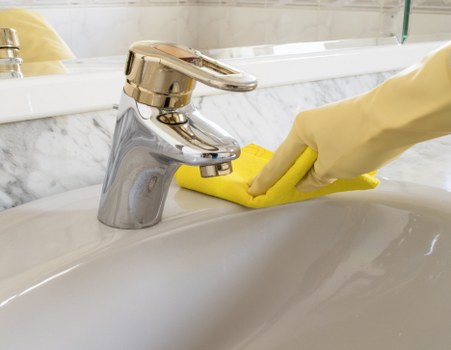
A good service should be built around the actual layout and use of the property, not a one-size-fits-all routine. We look at how people move through the building, which areas get dirty fastest, and what needs to be cleaned more often. That means the service can be adapted for a small private block, a large residential estate, a busy mixed-use building, or a commercial property with shared access spaces.
Typical tasks may include vacuuming, sweeping, mopping, dusting, wiping surfaces, cleaning handrails, removing litter, and keeping entrances tidy. Depending on the property, the service may also include cleaning internal glass, polishing stainless steel fixtures, wiping down lift panels, and looking after lower-level touchpoints that residents and visitors use frequently.
We aim to keep the service practical, consistent, and easy to manage. The goal is not only to clean what is visible at first glance, but also to maintain the areas that affect day-to-day comfort and long-term presentation. If a building has special requirements, such as secure access, multiple floors, or high-traffic shared entrances, the cleaning plan can be adjusted accordingly.
Common cleaning tasks in more detail
Depending on the building and agreed schedule, communal cleaning can involve:
- Dry and wet cleaning of floors
- Vacuuming carpets and entrance mats
- Removing marks from doors and panels
- Cleaning bannisters, railings, and grab points
- Dusting window sills, ledges, and corners
- Cleaning mirrors, internal glazing, and reflective surfaces
- Wiping communal noticeboards and reachable fixtures
- Litter picking and tidying bin-adjacent spaces
Some properties also need periodic deep cleaning support, especially where normal footfall, weather, pets, or seasonal dirt causes build-up in harder-to-reach areas.
Why local knowledge matters in Sutton
Choosing a local team has real advantages. Sutton includes a broad mix of building styles, parking conditions, and access arrangements. Some blocks are straightforward to service, while others have limited entry, tight parking, coded doors, concierge procedures, or narrow internal walkways. A local provider is more likely to understand these practical issues and plan the visit around them without causing disruption.
Local knowledge also helps with scheduling. In some parts of Sutton, morning access can be easier before residents leave for work or school. In busier mixed-use areas, quieter times may be better to avoid interfering with businesses, deliveries, or customer movement. A local cleaning company can fit around the building’s routine instead of forcing the building to fit around the cleaner’s convenience.
Another benefit is consistency. Residents and property managers often want the same standard every time. A team familiar with the area and local property types is more likely to understand how communal blocks in Sutton are used, what level of finish is expected, and how to work around everyday realities like limited parking, controlled entry systems, or shared bin storage.
Examples of local property types we commonly work with
Communal spaces in Sutton can vary a lot. You might have:
- New-build apartment blocks with modern shared foyers
- Converted Victorian or Edwardian houses split into flats
- Purpose-built retirement or sheltered housing buildings
- Managed estates with multiple entrances and shared walkways
- Mixed-use premises with commercial ground floors and residential upper levels
- Private developments with lift access, underground parking, or internal bin stores
Each type of property benefits from a slightly different approach, which is why a local service is often more effective than a generic schedule.
How the service works

The process should be straightforward for managing agents, landlords, resident committees, and property owners. A clear plan helps ensure the service fits the building’s needs and keeps everyone informed about what will happen and how often. Whether you need weekly cleaning, twice-weekly visits, or a custom routine, the structure should be easy to understand and simple to maintain.
First, the property is assessed based on layout, footfall, access, and the condition of the shared areas. This helps identify the main cleaning priorities, such as stairwells that gather dirt quickly or entrance areas that need extra attention because of outdoor debris. It also helps determine whether any specialist tasks are needed, such as glass cleaning or bin area hygiene.
Once the cleaning plan is agreed, visits can be scheduled at suitable times. Reliability is essential in communal settings because residents depend on the service to keep things orderly from week to week. A good routine should be clear, repeatable, and flexible enough to respond to seasonal changes or occasional needs such as post-maintenance tidying.
A simple step-by-step service process
- Review the building layout and cleaning priorities.
- Agree the visit frequency and areas to be covered.
- Set an appropriate routine for access and keyholding if required.
- Carry out scheduled cleaning with attention to touchpoints and common-use areas.
- Check the main spaces for presentation and practical tidiness.
- Adapt the plan if footfall, weather, or resident use changes over time.
This type of routine helps keep standards steady without creating unnecessary disruption for residents or property managers.
What makes a strong communal cleaning routine

Communal area cleaning works best when it is more than a quick sweep-through. A strong routine focuses on consistency, attention to detail, and the practical needs of the property. That may mean paying extra attention to front entrances during wet weather, giving lift buttons more frequent wiping, or cleaning stair corners where dust and grit often gather.
For Sutton properties, seasonal changes matter too. Autumn leaves, winter mud, rainwater, and summer dust all affect how communal spaces look and feel. Entrance mats may need more frequent maintenance during rainy periods, while higher footfall during school terms or holiday periods can mean certain areas become dirty faster. A thoughtful routine responds to these changes rather than treating every month the same.
Good cleaning is also about presentation. Residents want to see that the building is cared for. Managing agents and landlords want to support property value and resident satisfaction. Visitors and prospective tenants notice the standard of shared areas immediately. A clean hallway, tidy staircase, and fresh entrance space can make a significant difference to how a property is perceived.
Useful features of a dependable service
Look for a provider that can offer:
- Clear routines and agreed visit frequency
- Attention to high-touch shared surfaces
- Flexibility for different building sizes and access needs
- Understanding of residential and commercial requirements
- Practical communication with property managers or building representatives
- Ability to adapt for seasonal build-up or special cleaning requests
In communal settings, small details matter. A clean skirting board, a dust-free landing, and a tidy bin store all contribute to a more professional appearance overall.
Benefits for residents, landlords, and managing agents
Different people benefit from communal area cleaning in different ways. Residents enjoy a better day-to-day environment, landlords can help protect the condition of the property, and managing agents can show that the building is being looked after responsibly. The result is a cleaner, calmer shared space for everyone involved.
For residents, the main advantages are comfort and convenience. Nobody wants to walk through a dirty hallway or see litter left in shared entrances. Clean communal areas help people feel more positive about where they live and can reduce friction between neighbours when standards are maintained consistently.
For landlords and property managers, regular cleaning supports ongoing presentation and helps reduce issues caused by neglect. Dirt and moisture left in place for too long can leave marks, cause unpleasant smells, or contribute to wear on carpets, flooring, and painted surfaces. Keeping the areas clean can make routine inspections easier too.
Why businesses and mixed-use buildings also need it
Not every communal area in Sutton belongs only to a block of flats. Some are part of office buildings, retail premises, or mixed-use properties with shared access routes. In these settings, cleanliness matters because it shapes customer and tenant impressions. A tidy lobby, well-kept corridor, and clear entrance area help the whole property feel more professional.
Commercial clients often need flexibility around opening hours, deliveries, and staff movement. A cleaning plan can be arranged around those needs so shared spaces stay presentable without disturbing the day’s operations.
Access, parking, and practical local considerations
Sutton’s streets and developments can create different access challenges depending on the location. Some buildings have on-street parking only, while others have limited visitor bays or controlled entry areas. In a few properties, the cleaning team may need to coordinate with residents, caretakers, or building managers before entering certain spaces. These practical points are important because they affect how smoothly a visit can be completed.
Buildings with narrow staircases, shared corridors, or split-level layouts can also require a more careful approach. Cleaning equipment needs to be suitable for the property, and the team should be able to move through the building efficiently without obstructing residents. Where there are lift restrictions, key access systems, or specific quiet hours, the schedule should be arranged accordingly.
Local knowledge helps reduce friction. A team already familiar with Sutton and nearby areas is more likely to plan around parking restrictions, busy school-run times, and the realities of residential estate access. That can make the service more dependable and less disruptive for everyone involved.
Areas around Sutton that are often included
Depending on the building and service arrangement, coverage may include Sutton and nearby locations such as:
- Carshalton
- Cheam
- Wallington
- Belmont
- Worcester Park
- Rosehill
- Beddington
- St Helier
- Banstead edge locations and surrounding neighbourhoods
If your building sits just outside the immediate Sutton area, it is still worth asking whether a regular service can be arranged.
What to prepare before booking
To make the setup smoother, it helps to have a few details ready before requesting a quote. This does not need to be complicated. Even a basic outline of the building and the cleaning priorities can help create a more accurate service plan.
Useful information usually includes the number of floors, how many entrances are used, whether there is a lift, and whether the building has shared bin stores or external access points. It also helps to know how often the area gets busy and whether there are any access restrictions, such as keypad entry, concierge hours, or specific resident-only procedures.
A little preparation saves time and makes it easier to set the right level of service from the beginning. That means fewer misunderstandings later and a better chance of keeping the communal areas at the standard you expect.
Simple preparation checklist
- List the communal areas that need cleaning
- Note any access or security arrangements
- Identify the preferred cleaning frequency
- Mention any problem areas, such as litter hotspots or heavy dirt buildup
- Share any time restrictions or building rules
- Decide who will approve changes or service updates if needed
Clear details at the start can help create a service that feels tailored rather than generic.
Pricing factors to consider
Because every building is different, communal cleaning costs are usually influenced by several practical factors rather than a single fixed rate. This is one reason why asking for a tailored quote makes sense. A small block with a simple layout will naturally have different requirements from a large estate with multiple entrances and lift access.
Factors that can affect pricing include the size of the communal area, number of floors, visit frequency, level of dirt build-up, whether there are carpets or hard floors, and if any additional tasks are needed. Access arrangements can also affect the time required for each visit, especially where parking is limited or building entry takes coordination.
Pricing should reflect the actual service needed, not just the number of visits. A well-planned quote will consider the building’s layout, the expectations of residents or managers, and any special requirements for presentation or hygiene.
Examples of the main pricing influences
- Property size and number of shared spaces
- Frequency of cleaning visits
- Type of flooring and surface materials
- Level of traffic through the building
- Need for deep cleaning or periodic extras
- Access difficulty and parking conditions
- Additional tasks such as glass, lift, or bin area cleaning
If you are comparing services, it can help to ask exactly what is included so you can judge value as well as cost.
Why choose a local company for communal area cleaning in Sutton
Local service often brings a better understanding of the area, quicker response times, and more practical scheduling. A company working regularly in Sutton is more likely to understand the property mix, from apartment blocks near the town centre to quieter residential developments around the edges of the borough. That local familiarity can make a noticeable difference in how the work is planned and delivered.
It also helps when buildings need flexibility. If an issue arises in a communal space, a local team may be able to adapt the schedule more easily than a provider working from farther away. That matters when residents expect shared areas to remain clean and safe throughout the week.
Communication is another important factor. Managing agents and property representatives often prefer a provider who understands the building, knows the access routine, and can keep the service straightforward. The less disruption there is, the easier it is to maintain a good standard over time.
Good reasons customers choose a local team
- Better knowledge of property layouts and local access issues
- More flexible scheduling around building use
- Practical understanding of Sutton streets and parking conditions
- Faster adaptation to seasonal dirt and shared-area wear
- A cleaner, more personal service approach
Frequently asked questions
How often should communal areas be cleaned?
It depends on the building size, number of residents, and footfall. Busy blocks may need multiple visits per week, while smaller or quieter properties may only need weekly or fortnightly care.
Can the service be tailored to our block?
Yes. Communal cleaning should be shaped around the property’s layout, use, and priorities. Shared entrances, stairwells, lifts, and bin stores can all be included as needed.
Do you clean both residential and commercial shared spaces?
Many buildings in Sutton have mixed-use layouts, and communal cleaning can be arranged for residential blocks, business premises, and shared access areas in commercial buildings.
What if our building has limited access or parking?
That is common in Sutton. Access and parking arrangements are usually taken into account when planning the service so visits can run smoothly.
Can you help with areas that get dirty quickly in bad weather?
Yes. Entrances, mats, stairways, and lower-level touchpoints often need extra attention during wetter months, and the routine can be adjusted accordingly.
What should residents do before a cleaning visit?
Usually very little. It helps if shared areas are reasonably clear of personal items, but the cleaning plan can be discussed if any regular obstacles or access issues exist.
Can the service include bin stores and refuse areas?
Yes, where agreed. These spaces often benefit from regular attention because they can affect the smell, hygiene, and overall presentation of the property.
How do I get started?
Simply request a quote, share the property details, and explain the cleaning priorities. From there, a suitable plan can be arranged around your building and schedule. Book your service now if you are ready to improve the shared spaces in your property.
A cleaner communal space starts with a local plan
When a shared building is cleaned properly, the difference is easy to notice. Entrances feel more welcoming, floors stay in better condition, and residents use the space with more confidence. For landlords, managers, and residents alike, a reliable cleaning routine is one of the simplest ways to protect the day-to-day appearance of a property.
If you need Communal area Cleaning in Sutton, the best approach is usually a service that fits the real use of your building. That means thinking about footfall, access, layout, cleaning frequency, and the practical challenges that come with local properties. A trusted local team can handle those details while keeping the process straightforward for you.
Request a free quote today and arrange a service that suits your block, estate, office building, or mixed-use property. Whether you manage one building or several, regular communal cleaning can help keep every shared space tidy, practical, and ready for the people who rely on it every day.