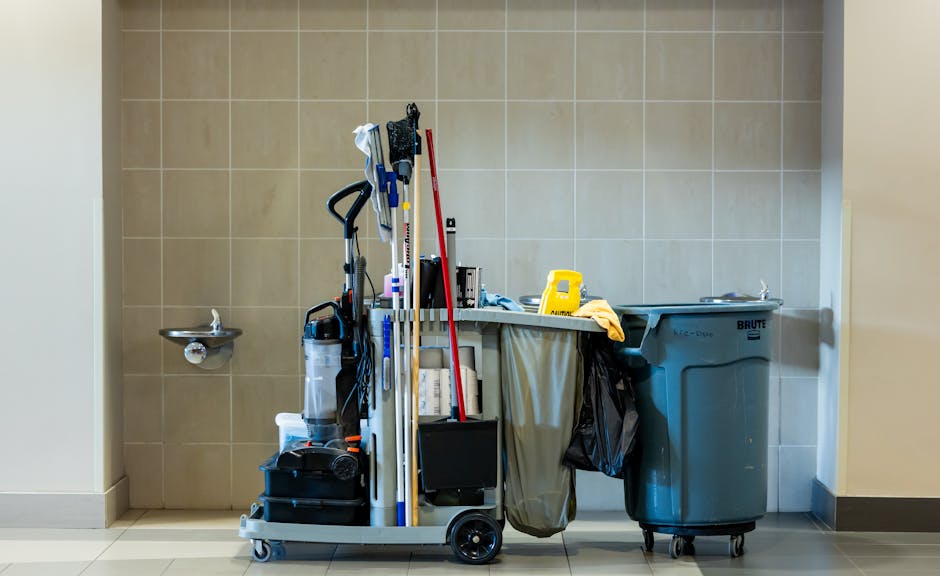
Sutton office cleaning for local businesses
If you run a business in Sutton, office cleaning is not just about making desks look tidy. It affects how clients feel when they walk in, how staff get through a busy week, and whether your workplace quietly supports good habits or slowly drifts into clutter. Sutton office cleaning for local businesses can be the difference between a space that feels organised and one that always seems one step behind. And let's face it, most teams have enough to think about without worrying about dusty skirting boards or a kitchen sink nobody wants to touch.
This guide breaks down what office cleaning actually involves, how it works in practice, what to look for in a provider, and how local businesses can get better value without cutting corners. If you are comparing options, you may also find it useful to look at the wider services overview and the practical information on pricing and quotes.
Table of Contents
- Why Sutton office cleaning for local businesses Matters
- How Sutton office cleaning for local businesses Works
- Key Benefits and Practical Advantages
- Who This Is For and When It Makes Sense
- Step-by-Step Guidance
- Expert Tips for Better Results
- Common Mistakes to Avoid
- Tools, Resources and Recommendations
- Law, Compliance, Standards, or Best Practice
- Options, Methods, or Comparison Table
- Case Study or Real-World Example
- Practical Checklist
- Conclusion
- Frequently Asked Questions
Why Sutton office cleaning for local businesses Matters
Office cleaning does a lot of quiet work in the background. It helps your business feel credible, keeps shared areas pleasant, and reduces the everyday friction that comes with a workplace used by several people. In a town like Sutton, where many firms operate from compact offices, shared workspaces, converted buildings, and shopfront back offices, cleanliness becomes part of the business experience rather quickly.
Think about the small moments. A client arrives five minutes early and notices the reception area smells fresh rather than stale. A staff member makes tea without first moving three old coffee mugs out of the way. The meeting room is actually ready for the meeting. None of that is dramatic, but it matters. Good office cleaning keeps the place usable, not just presentable.
There is also a practical side. A regular cleaning routine can help with wear and tear, reduce the build-up of grime in high-touch areas, and make it easier to spot maintenance issues early. A water stain, a sticky patch near the bin, or a blocked airflow grille is much easier to deal with when the space is being checked properly each visit.
Expert summary: the best office cleaning is the kind people barely notice day to day, because everything just works. The room is ready. The kitchen is usable. The washrooms are respectable. That quiet reliability is what local businesses are paying for.
How Sutton office cleaning for local businesses Works
Most office cleaning arrangements start with a walkthrough or a conversation about how the space is used. A small accountancy office needs different support from a busy estate agency, a medical admin team, or a co-working space with frequent visitors. The layout, number of staff, opening hours, and traffic through the building all shape the cleaning plan.
In practice, a good cleaning specification usually covers the following:
- desks and work surfaces
- bins and waste removal
- kitchen or tea-point cleaning
- washroom cleaning and restocking
- vacuuming and floor care
- touchpoint wiping such as handles, switches, and shared equipment
- periodic deeper attention to dust, skirting, edges, and neglected corners
The schedule can be daily, several times a week, weekly, or a mix. A small office with fewer people may only need a few well-targeted visits, while a larger team with visitors, deliveries, and meetings all day may need more frequent support. Truth be told, there is no universal answer. The right plan is the one that fits how messy the space becomes, not how neat it looks on paper.
Some businesses also add occasional deeper tasks such as carpet care or upholstery refreshes. If that sounds familiar, it is worth understanding how your office routine connects with more detailed cleaning options like deep cleaning in Sutton or carpet cleaning in Sutton, especially where there is heavy footfall or long hours in the same rooms.
Key Benefits and Practical Advantages
The obvious benefit is a cleaner office. But the real value is broader than that. A tidy workplace affects morale, pace, and even how confident you feel when someone unexpected drops by. Nobody wants to do the awkward shuffle of clearing papers off a chair while a client is standing in the doorway, do they?
Here are the advantages local businesses usually care about most:
- Better first impressions: clients, suppliers, and partners see a workplace that is organised and cared for.
- Less distraction for staff: a clean environment is easier to settle into, especially in open-plan spaces.
- Improved hygiene in shared areas: kitchens, toilets, handles, and desks are cleaned more consistently.
- More efficient use of time: staff do not have to spend their own hours doing basic cleaning tasks.
- Reduced long-term build-up: grime, dust, and floor wear are managed before they become stubborn problems.
- Better alignment with professional standards: a clean office supports your brand and helps the business feel dependable.
There is also a subtle cultural effect. People tend to respect a space more when it is looked after. They put cups away, empty their rubbish, and stop treating the kitchen like a temporary dumping ground. That alone can be worth a lot.
Who This Is For and When It Makes Sense
Sutton office cleaning for local businesses is a good fit for a wide range of organisations, especially those that rely on a presentable, consistent workspace but do not want the admin burden of managing cleanliness in-house.
It often makes sense for:
- small offices with limited staff time
- professional services firms such as solicitors, accountants, recruiters, and consultants
- retail offices with customer-facing back rooms
- shared or flexible workspaces
- busy offices that host visitors regularly
- businesses in older buildings where dust, draughts, or traffic create extra cleaning needs
It may also be a sensible move after a move-in, a refurbishment, or a period of heavier-than-usual use. For example, if your business has just expanded into a new location, a proper reset can stop clutter and dirt from becoming part of the culture from day one. Similar thinking applies to one-off resets too, which is why some firms combine routine care with one-off cleaning in Sutton when the space needs a stronger start.
If your office has soft furnishings, visitor chairs, or carpeted meeting rooms, you may also want to think beyond surface cleaning. In that case, a service such as upholstery cleaning in Sutton can help keep the overall environment looking sharper for longer.
Step-by-Step Guidance
If you are planning office cleaning for a local business, the best way to approach it is to break the process into manageable stages. You do not need a huge operations manual. You just need clarity.
- List the spaces that actually need cleaning. Reception, workstations, kitchen, toilets, meeting rooms, corridors, store rooms, and any client-facing areas.
- Decide what needs daily attention and what can be done less often. Bins and washrooms usually need more frequent care than low-traffic rooms.
- Identify your pain points. Is it fingerprints on glass? Dust near vents? A kitchen that never quite recovers after lunch? Be specific.
- Choose the right frequency. A busy office may need several visits a week; a small back-office setup may not.
- Ask how cleaning is recorded. Some businesses prefer a simple checklist or sign-off sheet so nothing is missed.
- Build in seasonal or periodic deeper work. Carpets, upholstery, and neglected corners often need more than standard weekly cleaning.
- Review after a few weeks. Real use always reveals a few surprises. Maybe the bin area needs more attention, or the kitchen takes longer than expected. Adjusting early helps.
A useful approach is to picture a typical Wednesday at 3:15pm. If the office still feels manageable at that point, your schedule is probably close. If it already looks tired by lunchtime, the plan needs tightening. Simple, but effective.
Expert Tips for Better Results
In our experience, the strongest cleaning arrangements are the ones that are realistic rather than ambitious. A spotless plan that no one follows is worse than a straightforward one that actually happens.
Here are a few things that make a genuine difference:
- Separate daily cleaning from periodic deep work. Not every task belongs in every visit.
- Keep touchpoints high on the list. Door handles, rails, switches, kettle buttons, shared phones, and tap controls need regular attention.
- Use the right products for the surface. Glass, laminate, wood, stone, and fabric all need different handling. That sounds obvious, but people still get it wrong.
- Protect the kitchen and washrooms first. If those areas are neglected, the whole office feels off.
- Ask for a plan that matches opening hours. A cleaner working around staff can still do a good job, but timing matters.
- Be honest about footfall. If twenty people use the same corridor and only five were expected, the schedule will need to change.
One small but useful trick: keep a simple list of what annoys people most. The office kitchen smelling faintly of yesterday's lunch? That goes on the list. Dust collecting on top of cabinets? That goes on too. Once the irritating bits are visible, it becomes much easier to solve them.
Common Mistakes to Avoid
A lot of office cleaning problems come down to assumptions. The business assumes someone else will notice the issue. The cleaner assumes the area is used less often than it really is. The result is usually the same: small problems become visible ones.
Watch out for these common mistakes:
- Choosing purely on price. Cheap can be fine, but the cheapest quote is not automatically the best value if key tasks are missing.
- Not defining the scope. "Clean the office" is too vague. Be specific about rooms and tasks.
- Ignoring office layout changes. New desks, more staff, or a moved kitchen station can change the cleaning need overnight.
- Leaving deep-clean tasks too long. Dust and carpet soil build slowly, then suddenly become obvious.
- Failing to check access and security. Keys, alarm codes, and lock-up procedures must be handled carefully.
- Assuming one routine fits all seasons. Winter mud, wet shoes, and salt at the entrance need different attention from a dry summer week.
Another common issue is underestimating the emotional side of a workspace. People are more sensitive to mess than they admit. A slightly grubby kitchen can change how a whole day feels. Not ideal, really.
Tools, Resources and Recommendations
You do not need a warehouse full of products to run an effective office cleaning routine. What matters is using the right tools consistently and not letting the cupboard become a random collection of half-used sprays.
Useful basics usually include:
- microfibre cloths for dusting and wiping
- vacuum equipment suited to carpeted or hard-floor areas
- surface-safe cleaning products for desks, kitchens, and bathrooms
- sanitising or disinfecting products used carefully and appropriately
- bins liners and restocking supplies
- simple checklists for recurring tasks
For businesses that want a broader understanding of what a provider can cover, the services overview is a helpful place to see how office care fits alongside other cleaning support. If you are budgeting or comparing packages, the page on pricing and quotes is useful too, because it helps set expectations before you ask for a proposal.
A good recommendation? Keep one shared cleaning log in the office. It does not need to be fancy. Just enough to record when tasks were completed, what needs follow-up, and any access issues. Low-tech sometimes wins.
Law, Compliance, Standards, or Best Practice
Office cleaning sits inside a broader duty of care to staff, visitors, and contractors. In the UK, businesses generally need to manage workplace hygiene, safe access, and sensible handling of cleaning products and waste. The exact requirements vary by setting, but the principle is straightforward: keep the workplace reasonably safe and clean.
That means a few best-practice points matter a great deal:
- cleaners should be able to work safely without obstructed exits or cluttered walkways
- cleaning chemicals should be stored and used properly
- wet floors and other temporary hazards should be managed clearly
- special attention should be given to shared kitchens and washrooms
- any specific site risks should be communicated in advance
For a business choosing a provider, it is sensible to ask how insurance, safety, and access are handled. That is not over-cautious; it is normal due diligence. A service that is openly organised about these points tends to be easier to work with long term. You can also review the company's health and safety policy and insurance and safety information if you want a clearer sense of how risk is managed.
There is also a practical trust angle. Businesses are often more comfortable when they know the cleaner's procedures around keys, confidentiality, and access. That is especially true in offices holding client files, sensitive paperwork, or equipment that should not be touched casually. Basic common sense, really, but important.
Options, Methods, or Comparison Table
Different businesses need different cleaning models. The right setup depends on office size, traffic, and how much you want included in each visit. Here is a simple comparison to help with decision-making.
| Cleaning approach | Best for | Strengths | Watch-outs |
|---|---|---|---|
| Daily light cleaning | Busy offices with visitors and shared facilities | Keeps washrooms, kitchens, and entrances under control | May not tackle built-up dust or carpets deeply enough |
| Weekly scheduled cleaning | Small offices with moderate use | Cost-effective and easy to manage | Can fall behind if footfall increases unexpectedly |
| Mixed routine plus periodic deep cleaning | Most local businesses | Balances day-to-day freshness with longer-term maintenance | Needs a clear plan so deeper tasks are not forgotten |
| One-off reset clean | After moves, refurbishments, or a difficult period | Fast way to restore a usable baseline | Not a substitute for ongoing cleaning |
For many Sutton businesses, the mixed model is the sweet spot. A steady routine handles the daily mess, while occasional deeper support keeps carpets, fabric, and less visible areas from slipping out of shape. If you are preparing for a changeover, a move, or a big refresh, a service like spring cleaning in Sutton can also be relevant even for commercial spaces that need a seasonal reset.
Case Study or Real-World Example
Imagine a small professional office near Sutton High Street with eight staff members, a reception area, one kitchen, one washroom, and two meeting rooms. At first, the team tried to tidy up informally at the end of the day. It worked for a while. Then the bins started overflowing, the kitchen became a bit grim by Thursday, and the meeting room stopped feeling client-ready unless someone had a panic-clean before appointments.
The business changed to a regular cleaning plan. The first priority was the shared spaces: washroom, kitchen, entrance, and touchpoints. The second priority was floors and desks. After that, they added periodic attention to carpets and upholstered chairs because those items were quietly absorbing the wear of daily use.
The result was not dramatic in a glossy-magazine sense. It was better than that. Staff stopped complaining about the kitchen, the reception area looked calm instead of hurried, and the office manager spent less time firefighting. That is the kind of improvement people feel, even if they do not always say it out loud.
And yes, there was a slight side effect: people started placing their mugs in the sink instead of abandoning them on random surfaces. Miraculous, really.
Practical Checklist
Use this checklist when setting up or reviewing Sutton office cleaning for local businesses.
- Have you listed every area that needs cleaning?
- Do you know which rooms need daily attention and which do not?
- Are washrooms and kitchens included clearly?
- Have touchpoints been identified?
- Is there a plan for carpets, upholstery, or other periodic tasks?
- Do cleaners know how to access the building safely?
- Are security, keys, and alarm procedures documented?
- Is there a simple way to report issues or missed tasks?
- Have you reviewed insurance and safety arrangements?
- Do you understand what is included in the quote?
- Have you checked terms, payment expectations, and cancellation conditions?
- Will the plan still work if staff numbers or footfall change?
Before you finalise anything, it helps to glance over the company's terms and conditions and payment and security information so there are no awkward surprises later. Plain English beats guesswork every time.
Conclusion
Sutton office cleaning for local businesses is really about reliability. A good service keeps the space workable, presentable, and calm enough for people to do their best work. It supports the tiny routines that shape a workday: making tea, taking a call, welcoming a visitor, resetting the meeting room, and starting again the next morning.
If you get the scope right, choose a schedule that matches reality, and stay honest about what the office actually needs, the whole thing becomes much easier. No drama. No endless tidying by staff who should be doing something else. Just a workplace that holds its own.
If you are at the point of comparing options or planning a new routine, you can find out more through the request a quote page or use the contact page to start a conversation. A quick discussion now can save a lot of faff later.
Get a free quote today and see how much you can save.
And if the office feels a bit more peaceful by Friday afternoon, that is not a small thing. It means the place is working with you, not against you.
Frequently Asked Questions
What does office cleaning usually include for a local business in Sutton?
It usually includes desks and surfaces, bins, washrooms, kitchen areas, floors, and touchpoints such as handles and switches. Some businesses also add occasional deeper tasks like carpet or upholstery care.
How often should a small office be cleaned?
It depends on staff numbers, visitor traffic, and how quickly the space gets messy. A very small office may only need weekly cleaning, while busier spaces often need several visits each week or more frequent support.
Is office cleaning different from domestic cleaning?
Yes. Office cleaning tends to focus more on shared work areas, client-facing spaces, washrooms, kitchens, access control, and maintaining a professional environment. Domestic cleaning is usually more focused on home routines and household priorities.
Should I choose daily cleaning or weekly cleaning?
If the office has regular visitors, shared facilities, or a lot of footfall, daily or near-daily cleaning is often better. Weekly cleaning can work for smaller offices, but it may not be enough once the space gets busier.
What should I look for in a cleaning quote?
Look for clear room coverage, task lists, frequency, any deeper cleaning included, access arrangements, and what is excluded. A good quote should be specific enough that you can compare it with other options fairly.
Can office cleaning help reduce complaints from staff?
Usually, yes. Staff often notice kitchen, washroom, and bin-area issues before management does. A consistent routine can reduce those niggling complaints and make the office feel easier to use.
What if my business works from a small rented office?
That is still a good reason to use a cleaning service. In smaller offices, mess builds quickly because there is less space to absorb it. A compact office can actually benefit more from consistent cleaning than a larger one.
Do I need deep cleaning as well as regular office cleaning?
Often, yes. Regular cleaning handles the day-to-day essentials, but deep cleaning helps with built-up dirt, neglected edges, carpets, and other areas that need more than a quick wipe.
How do I know if the office needs a reset clean?
If the space looks tired after normal cleaning, if dust keeps reappearing in obvious places, or if the kitchen and washrooms never quite feel fresh, a one-off reset clean may be sensible before starting or refreshing a routine.
Is it important to ask about insurance and safety?
Absolutely. Any business allowing cleaning staff into a workplace should understand how access, liability, and safe working practices are handled. It is a basic trust check, not a fuss.
What are the biggest mistakes local businesses make with office cleaning?
The biggest mistakes are being vague about the scope, choosing only on price, ignoring changing footfall, and leaving deep-clean tasks too long. Small oversights become expensive annoyances if nobody reviews them.
Can office cleaning be tailored to different sectors?
Yes. A solicitors' office, a design studio, and a busy customer-facing service business may all need different schedules and task priorities. The best cleaning plans are adapted to real use, not guessed from the outside.
How can I get started?
Start by listing your rooms, your problem areas, and your preferred cleaning frequency. Then ask for a quote that reflects your actual needs rather than a generic package. That simple bit of prep saves time for everyone.